Environmental Factors That Impact Weighing Accuracy in Winter

Accurate weighing is critical in industries ranging from agriculture and logistics to manufacturing and construction. However, winter brings unique environmental challenges that can compromise weighing accuracy, leading to inefficiencies, errors, and potential financial losses. By understanding and addressing these factors, businesses can maintain precision in their operations regardless of the weather.

1. Temperature Fluctuations

Cold temperatures can have a significant impact on weighing equipment, especially in outdoor settings. Metal components in scales may contract in low temperatures, causing subtle distortions that affect calibration and readings. Digital load cells may also exhibit altered performance due to temperature-sensitive electronics.

Solution: Opt for weighing systems designed to operate within a wide temperature range, and regularly recalibrate equipment to ensure consistent accuracy.

2. Moisture and Ice Accumulation

Winter often brings snow, ice, and condensation, which can accumulate on scales and weighing platforms. Moisture infiltration into load cells or electrical components can lead to short circuits, corrosion, or compromised functionality.

Solution: Use weatherproof or sealed weighing systems that resist moisture. Regularly clean and inspect equipment to prevent ice and snow build-up. Find out how to clean your balance here – How to Clean Your Balance in 8 Simple Steps | A&D Instruments UK


3. Wind and Vibrations

Strong winter winds and vibrations caused by icy ground conditions can destabilize weighing platforms, particularly for outdoor applications. These factors introduce inconsistencies in readings, especially for precision weighing.

Solution: Shield weighing equipment from wind using enclosures or barriers. Ensure scales are mounted on stable, vibration-resistant surfaces.

4. Frozen Materials

Materials being weighed, such as grains, chemicals, or aggregates, can freeze during winter, altering their weight and consistency. Frozen clumps can cause uneven distribution on the scale, leading to inaccurate readings.

Solution: Store materials in temperature-controlled environments and break apart frozen clumps before weighing.


5. Battery and Power Issues

Cold temperatures can significantly affect battery performance, leading to reduced lifespan and unexpected power failures in portable or battery-powered scales.

Solution: Use scales with batteries designed for low-temperature performance or ensure access to backup power sources.

Proactive Steps to Ensure Weighing Accuracy in Winter

To overcome these environmental challenges, implement the following best practices:

Training and Awareness: Ensure your team understands the impact of winter conditions on weighing accuracy and knows how to operate equipment accordingly.

Regular Maintenance: Schedule routine inspections to detect and address potential issues early. Look for signs of wear, moisture infiltration, or calibration drift.

Protective Covers: Invest in high-quality enclosures or covers for outdoor weighing equipment to shield them from snow, ice, and wind.

Frequent Calibration: Recalibrate scales more frequently during winter to account for temperature-induced changes.

Key Environmental Factors Affecting Weighing Accuracy in Winter

Winter’s environmental challenges don’t have to compromise weighing accuracy. By taking proactive steps and investing in weather-resistant equipment, businesses can maintain reliable measurements throughout the season. For industries that rely on precision, understanding these factors is not just beneficial—it’s essential.

Explore our range of weighing solutions designed to perform in extreme conditions at https://weighing.andprecision.com/category-products/.
Know Your Numbers

Maintaining good health often takes a backseat to our daily responsibilities. However, one aspect of health we cannot afford to overlook is our blood pressure. Monitoring and understanding your blood pressure numbers is not only a cornerstone of preventative healthcare but also a vital step in managing your overall well-being.

The Significance of Blood Pressure

Blood pressure measures the force of blood pushing against the walls of your arteries. It is represented by two numbers:

  • Systolic pressure (the top number): This indicates the pressure in your arteries when your heart beats.
  • Diastolic pressure (the bottom number): This reflects the pressure in your arteries between heartbeats.

A healthy blood pressure is typically around 120/80 mmHg, depending on age. Deviations from this range can signal potential health issues that, if left unchecked, may lead to serious complications like heart disease, stroke, and kidney failure.

Why You Should Know Your Numbers

Tracking Progress Regular monitoring allows you to see how lifestyle changes—such as improved diet, increased physical activity, and stress reduction—impact your blood pressure over time. It’s an essential tool for maintaining motivation and accountability.

Early Detection of Health Risks High blood pressure, also known as hypertension, often develops without noticeable symptoms. Regular monitoring allows you to detect and address elevated blood pressure before it escalates into a serious condition. Similarly, low blood pressure (hypotension) can signal underlying issues such as dehydration or heart problems.

Preventing Long-Term Complications Hypertension is a major risk factor for cardiovascular diseases. Knowing your numbers helps you take preventive measures, such as lifestyle changes or medication, to protect your heart and arteries from damage.

Reasons to Monitor Your Blood Pressure at Home

Regularly monitoring your blood pressure at home is a proactive step toward maintaining optimal health. Here are five compelling reasons to incorporate this practice into your routine:

  1. Early Detection of Hypertension: Home monitoring can identify elevated blood pressure levels promptly, enabling early intervention to prevent complications. www.heart.org
  2. Avoiding ‘White Coat Hypertension’: Some individuals experience higher blood pressure readings in clinical settings due to anxiety. Home measurements provide a more accurate reflection of your typical levels. Yale Medicine
  3. Assessing Treatment Efficacy: For those undergoing treatment for high blood pressure, regular home monitoring helps evaluate the effectiveness of medications and lifestyle changes, facilitating timely adjustments. A&D Medical
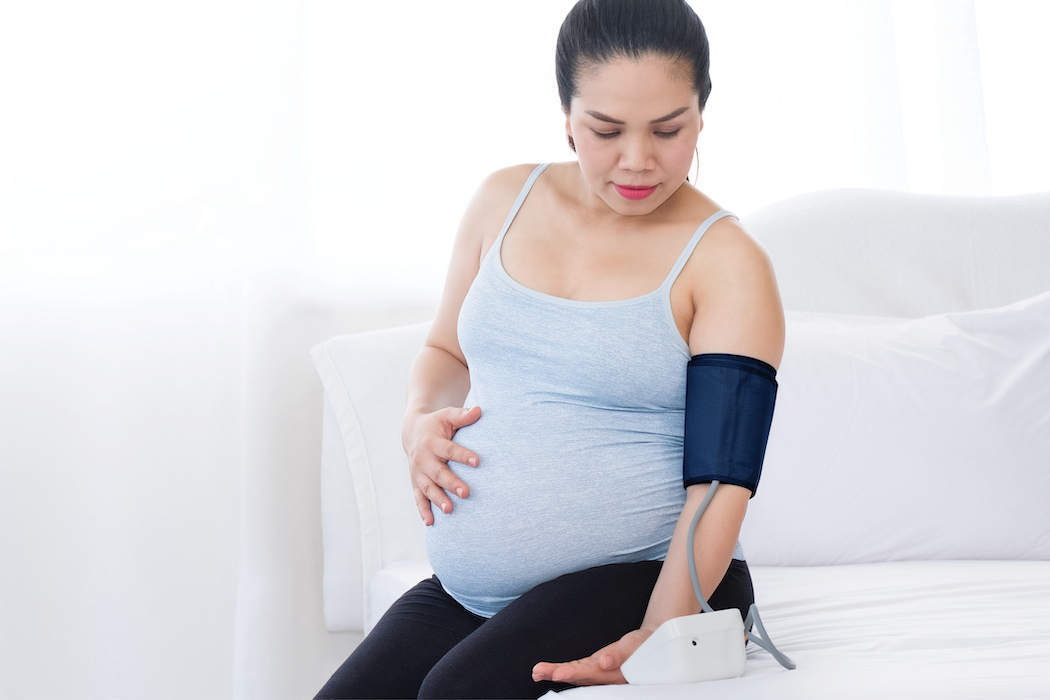
  4. Monitoring During Pregnancy: Pregnant individuals are at risk for conditions like gestational hypertension and preeclampsia. Home blood pressure monitoring aids in early detection and management of these issues. A&D Medical
  5. Empowerment and Control: Regular monitoring fosters a sense of responsibility and involvement in one’s health, encouraging adherence to treatment plans and healthier lifestyle choices. Yale Medicine

Incorporating home blood pressure monitoring into your health regimen offers valuable insights and enhances collaboration with healthcare providers, ultimately contributing to better health outcomes

Take Control of Your Health Today!

Tips for Accurate Readings

Take measurements at the same time each day for consistency.

Rest for at least five minutes before measuring.

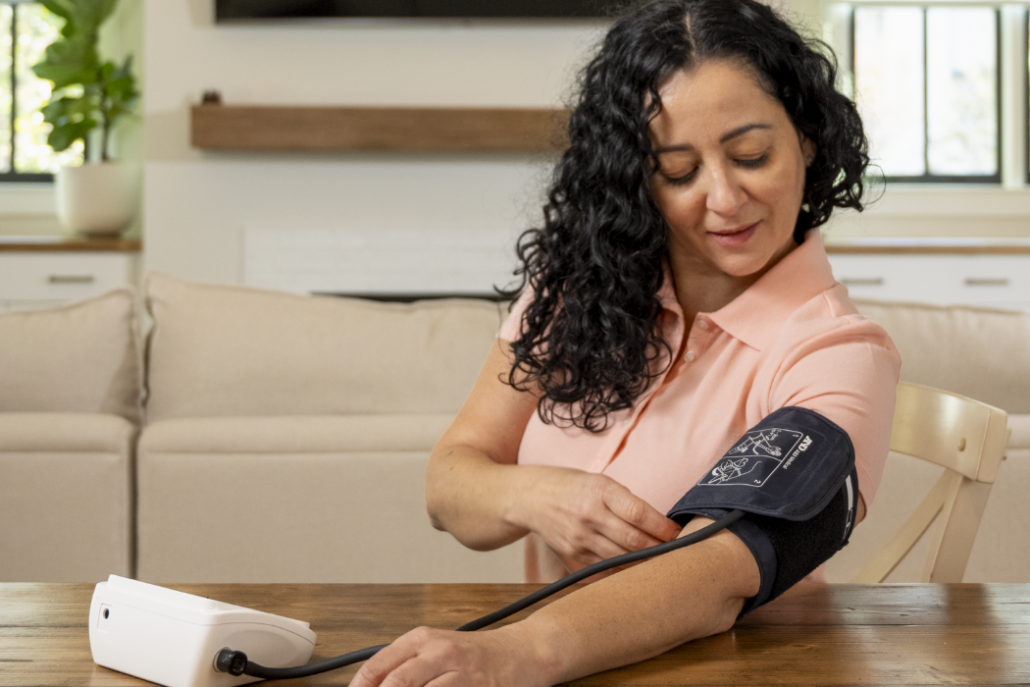
Make sure you choose the right cuff size

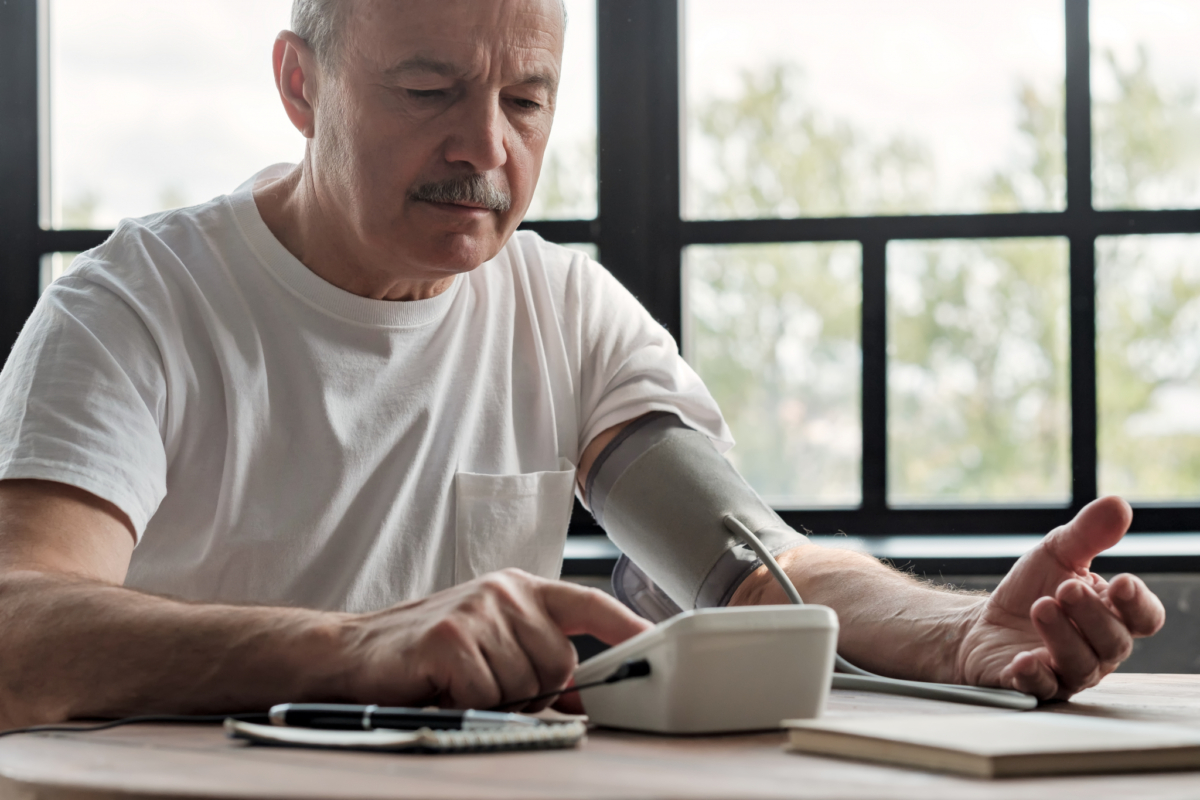
Sit upright with your feet flat on the floor and arm supported at heart level.

Avoid caffeine, alcohol, and exercise at least 30 minutes prior to taking a reading.

Your blood pressure numbers are more than just figures; they are vital indicators of your health. By monitoring them regularly, you take a proactive approach to safeguarding your well-being. Visit A&D Medical to explore tools that can help you stay informed and in control of your blood pressure. Remember, knowing your numbers today can lead to a healthier tomorrow!