Top Mistakes People Make When Choosing a Blood Pressure Cuff (And How to Avoid Them)

Accurate blood pressure readings are crucial for monitoring and managing your health, particularly if you have hypertension or other cardiovascular concerns. However, the accuracy of these readings can be compromised if the blood pressure cuff you’re using is not a proper fit. Here are some of the most common mistakes people make when choosing a blood pressure cuff and how to avoid them:

Not Measuring Arm Circumference

One of the most frequent mistakes is not measuring the arm circumference before purchasing a blood pressure cuff. Many people assume that a standard cuff will fit all, but this is not the case. Using a cuff that is too large or too small can result in inaccurate readings. How to avoid it: Use a flexible measuring tape to measure your arm’s circumference at the midpoint between your shoulder and elbow. Choose a cuff size that matches your measurement.

Ignoring Manufacturer Guidelines

Each blood pressure monitor comes with specific guidelines from the manufacturer regarding the cuff sizes. Ignoring these recommendations can lead to selecting an incompatible cuff. How to avoid it: Always refer to the manufacturer’s guidelines and ensure that the cuff size you choose is compatible with your blood pressure monitor.

Overlooking Adjustable Cuff Features

Some blood pressure cuffs come with adjustable features that can fit a range of arm sizes, but not all cuffs have this flexibility. Overlooking these features can limit the usability of the cuff. How to avoid it: If multiple people will be using the same monitor, consider purchasing a family cuff with adjustable features or buying multiple cuffs of different sizes.

Choosing the Wrong Type of Monitor

There are manual and automatic blood pressure monitors, and each requires a specific type of cuff. Using a manual cuff with an automatic monitor, or vice versa, can result in improper fit and inaccurate readings. How to avoid it: Ensure that the cuff you purchase is designed for the type of monitor you are using. Check the product specifications carefully.

Not Rechecking Arm Size Regularly

Your arm size can change due to weight fluctuations, muscle gain, or loss, affecting the fit of your blood pressure cuff. Many people forget to recheck their arm size periodically. How to avoid it: Measure your arm circumference regularly and adjust your cuff size accordingly to maintain accuracy.

By avoiding these common mistakes, you can ensure that your blood pressure readings are as accurate as possible, providing you with valuable information to manage your health effectively. Remember, a properly fitting blood pressure cuff is a small investment for your long-term well-being.

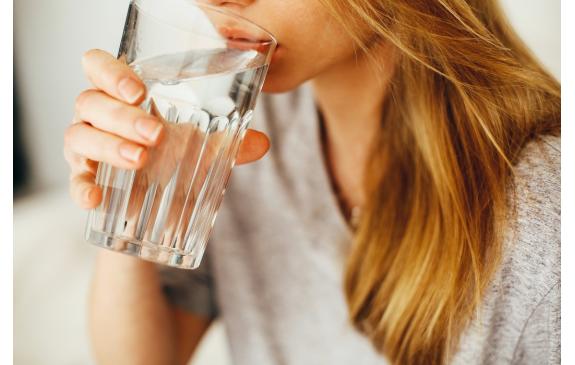
10 Drinks That Lower Your Blood Pressure

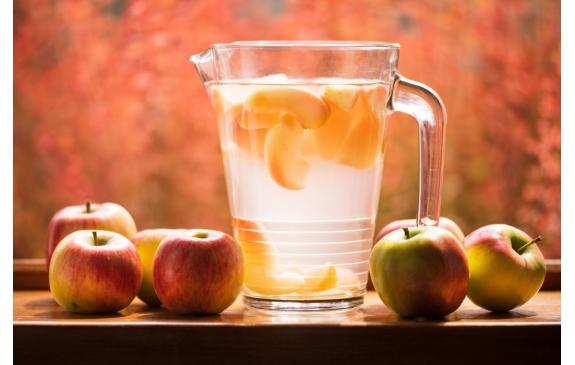
Water

Water can help lower blood pressure through several mechanisms:

Relieves Stress on Blood Vessels: Hydrated blood vessels are happy blood vessels

Prevents Dehydration-Induced Blood Pressure Spikes: Dehydration causes the body to retain sodium, a key factor in raising blood pressure. Drinking enough water helps the body flush out excess sodium. which can lower blood pressure levels.

Improves Blood Flow: Proper hydration maintains blood volume, which allows for smoother blood circulation. This reduces strain on the heart and blood vessels, helping keep blood pressure at a healthy level.

Supports Kidney Function: The kidneys regulate fluid balance and blood pressure by filtering out excess waste and salts. Adequate water intake improves kidney function, making it easier to maintain normal blood pressure.

 no other beverage beats it.

Alcohol

The hard truth about alcohol and healthy blood pressure is that they don’t go together (not even red wine).  You won’t be able to lower your blood pressure at your local pub.

However, if you’re a regular drinker, reducing your intake to a moderate level—one drink a day for women and two for men—can help to lower your blood pressure.

Coffee

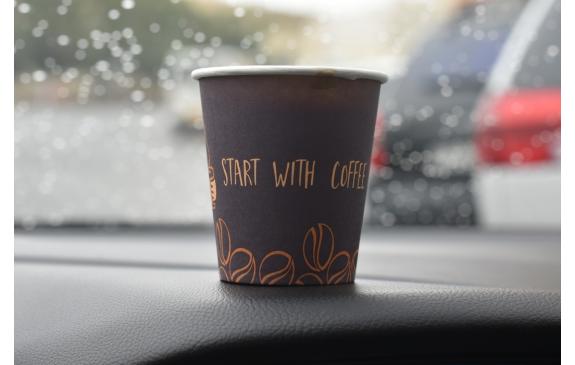
On the opposite end of stimulating beverage spectrum lies that morning cup of joe. If you have the time and determination, you can find a study on coffee that appears to back up any health claim your heart desires. So, is coffee good for your blood pressure? The answer is yes and no.

It’s complicated because everyone responds differently to caffeine. Basically, if coffee makes you feel better and more active, it can help with your overall health and your heart health. If it makes you feel jittery and anxious, it may be time to cut back.

Tea

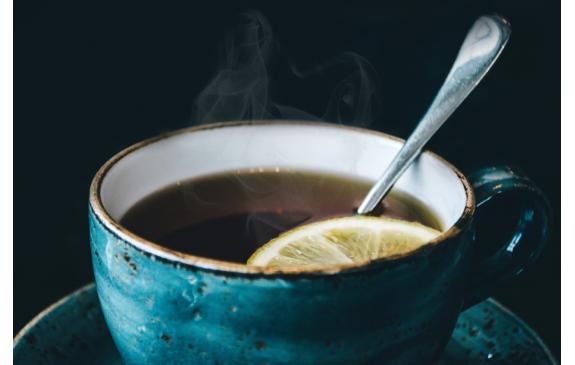
This beverage is simply steeped in health benefits. Long term consumption (more than 12 weeks) has been shown to lower blood pressure.

Plus, it’s packed with antioxidants, which are proven to aid in cardiovascular health.

Milk

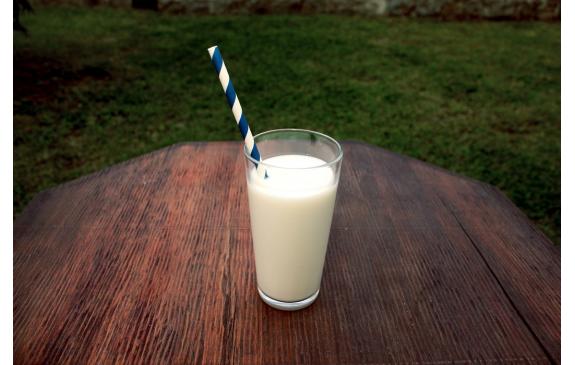
In a world of ever-expanding vegan options, milk no longer just means cow’s milk. From almond to oat, there’s a dizzying number of options each with their pros and cons.

The common hidden danger amongst these new milk options is added sugar, which can increase your blood pressure. Looking for unsweetened options will give you all the benefits without the risks of heightened sugar consumption. And for those who still prefer good, old-fashioned cow juice – calcium is a proven ally to a healthy heart.

Juice

Amidst the health benefits of juice lies the risks associated with sugar and salt consumption. For example, research has shown that drinking tomato juice can help lower blood pressure, but only the unsalted variety.

On the slightly sweeter side, a 2012 study showed that drinking one cup of pomegranate juice a day for 28 days can help lower high blood pressure.

Carbonated Beverages

No matter what you call it—soda, pop, soda pop, coke—this sugary drink is not only the first thing you probably think of when you think of carbonated beverages, it is also bad news for your health, and that includes your blood pressure.

However, drinking unsweetened, low-sodium sparkling water can help you skip the sugar while still getting your fizzy fix.

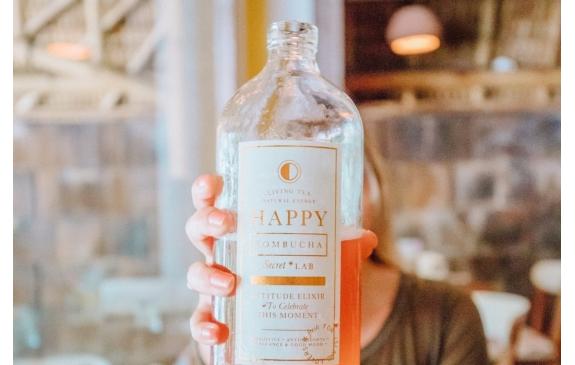
Kombucha

Odds are you’ve seen this “it” drink slowly infiltrating the outer edges of your grocery store. You may have even tried it in an attempt to appear “in the know.”

However, the benefits of kombucha (fermented tea) lie not in the “coolness factor”, but in the probiotics. Countless studies have shown that regular consumption (more than eight weeks) of probiotics can help to reduce blood pressure and even help maintain healthy blood pressure.

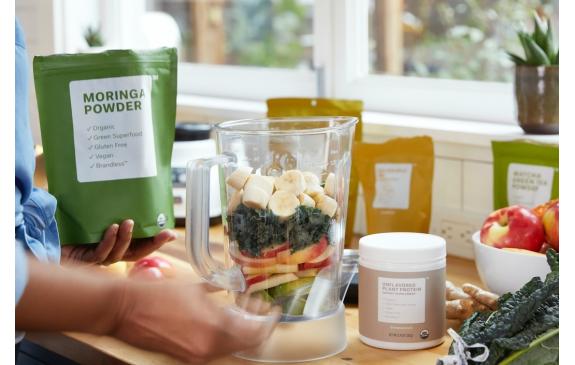
Smoothies

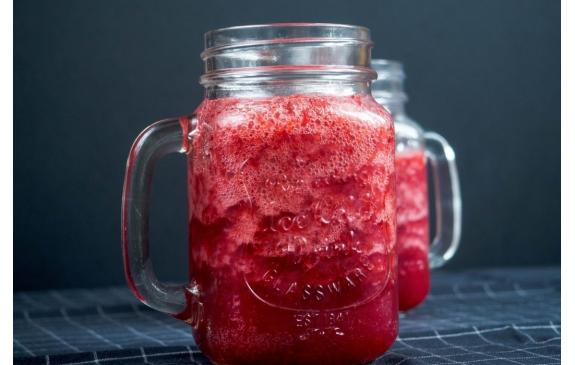
To be clear, smoothie is not a synonym for milkshake, and not all smoothies are created equal. Blending up some heart healthy fruits and vegetables like bananas, blueberries, beets, avocados, and kale is an easy way to pack a bunch of health benefits into one easily portable meal.  Plus, you’ll look like one of those fancy people who live in athleisure wear and regularly go to yoga (which is also good for your blood pressure).

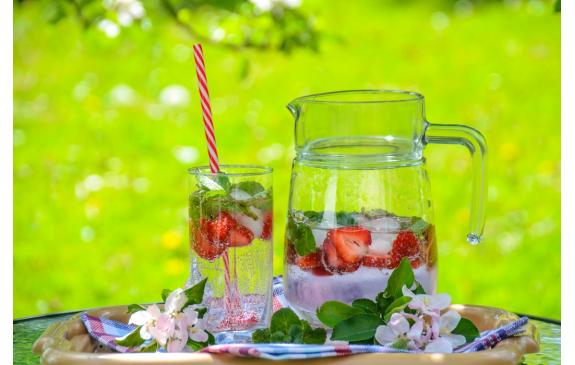
Infused Water

Yes, we’re beginning and ending with H2O — it’s that important.

Adding a little flavor can not only make getting your eight glasses a day easier, it can also add some additional benefits. Citrus, such as lemon and limes, has been shown to reduce blood pressure and has the added benefit of adding a little flavor to a boring glass of water.

So, what is the best drink for high blood pressure? Well, the answer to that question depends on you.

If you won’t drink it regularly, it’s probably not going to work. Pick something that you’ll be able to stick with.

When making changes to your diet, keep in mind that some heart healthy beverages may interact with heart medications. It’s best to speak with your doctor before making any significant changes to your diet or lifestyle.