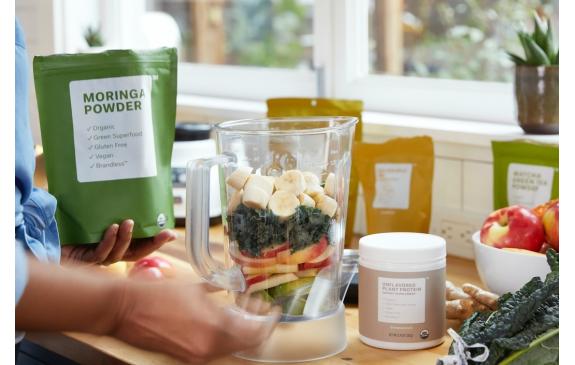
Stay Healthy This Winter: Quick Tips for Wellness

Winter can be challenging for your health, but with simple strategies, you can stay well. Here are essential tips to keep you healthy this season:

1. Boost Your Immune System

Supplement Wisely: Consider vitamin D supplements.

Eat Well: Include fruits, vegetables, lean proteins, and foods rich in vitamin C and zinc.

Stay Hydrated: Drink plenty of water and herbal teas.

2. Practice Good Hygiene

Avoid Face Touching: Prevent germs from entering through eyes, nose, or mouth.

Wash Hands Frequently: Use soap and water for 20 seconds.

Sanitize Surfaces: Clean phones, handles, and counters.

3. Stay Active

  • Exercise Indoors: Try yoga or online fitness classes.
  • Dress Warmly for Outdoors: Layer up for walks or other activities.
  • Keep Moving: Even 30 minutes daily can boost health.

4. Be Prepared

Seek Help if Needed: Visit your healthcare provider when unwell.

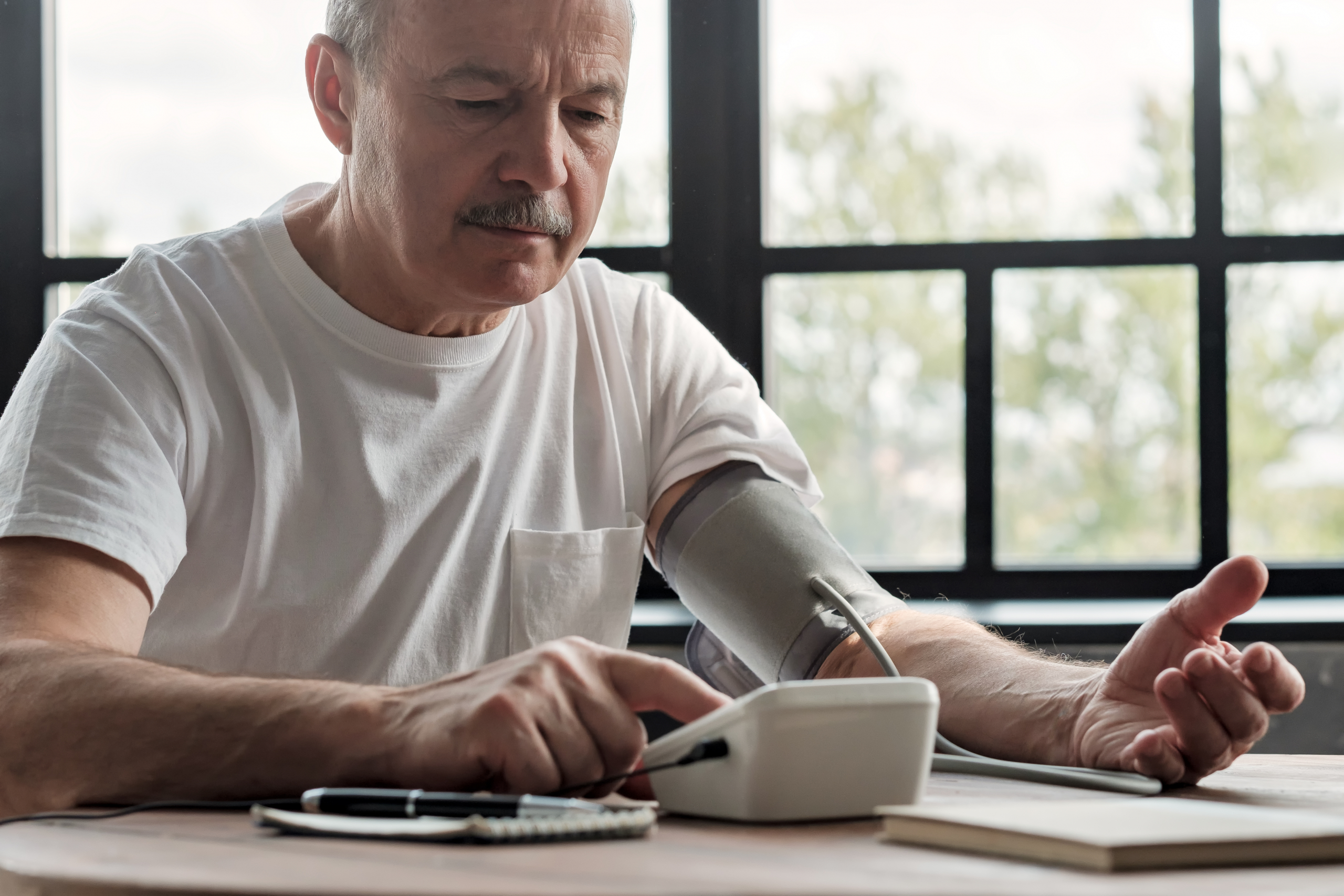
Monitor Health: Use tools like thermometers and blood pressure monitors to track your well-being. Upper-arm blood pressure monitors, available here, provide accurate readings and are essential for those managing heart health.

Stock Essentials: Have basic medicines ready, along with devices like nebulisers for respiratory support. Find quality nebulisers here.

Winter wellness is within reach! For helpful products, explore more here. Stay warm and healthy!

Finding the Right Balance for Your Needs: A Comprehensive Guide

Balancing precision and functionality is essential for industries and laboratories that require reliable and accurate measurements. Whether you’re dealing with pharmaceutical formulations, high-stakes research, or industrial processes, selecting the correct balance ensures your operations run smoothly.


Why Balances Are Crucial in Precision Applications

Balances serve as the backbone for applications requiring high accuracy. Laboratory and industrial setups depend on these tools to meet stringent quality and compliance standards. From differential weighing to dynamic weighing modes, selecting the right equipment involves understanding not only the types of balances available but also the factors that impact their performance.


The Three Most Common Types of Balances

1. Analytical Balances

  • Best For: Differential weighing, pipette calibration, density measurement.
  • Readability Range: 0.01 mg to 1 mg.
  • Capacity: 1g to 500g.
  • Highlight: Ideal for applications where precision is critical, often used with specialized software for data logging.

2. Precision Balances

  • Best For: GMP compliance, sample management, and dynamic weighing.
  • Readability Range: 1 mg to 1 g.
  • Capacity: 1g to 70,000g.
  • Highlight: Excellent for both small- and large-scale weighing applications.

3. Microbalances

  • Best For: Pesticide analysis, stent weighing, and particulate matter studies.
  • Readability Range: 1µg to 0.01 mg.
  • Capacity: 0g to 50g.
  • Highlight: Designed for ultra-precise measurements in controlled environments.

Key Factors to Consider

1. Capacity

  • Ensure the balance meets your typical weight range, with a little extra capacity to spare. Avoid excessive capacity as it adds unnecessary cost.
  • Pro Tip: If weighing only up to 100g, opt for a balance close to that range for better cost efficiency.

2. Readability

  • Choose the smallest detectable weight change (resolution) your application requires. For high-precision needs, consider microbalances or mass comparators.

3. Calibration

  • Manual Calibration: Requires certified weight standards.
  • Automatic Calibration: Adjusts for environmental changes but comes at a higher cost.
  • Recommendation: Consider dual-calibration models like the FZ-i or GX Precision Balances for versatility.

4. Certification

  • Industries like pharmaceuticals, jewellery, and food processing require Legal for Trade balances to comply with regulations.
  • The FZ-i and GX-A series provide certified options to meet these needs.

Special Considerations for Hazardous Environments

  • Weighing flammable or volatile liquids demands intrinsically safe balances.
  • Choose balances like the EK-AEP Series, which are ATEX certified internationally, to ensure safety and compliance.

Accessories and Enhancements

  • Density Kits & Covers: Protect your balance and add functionality.
  • Printers: The AD-1192 Compact Printer enables seamless result documentation.
  • Software: A&D’s free WinCT software simplifies data transfer and analysis.

Explore A&D Weighing’s selection of balances and accessories here, and experience the confidence of precision engineering.

How to Clean Your Balance in 8 Simple Steps

Maintaining a clean balance is essential for accurate measurements, longer equipment life, and user safety. Here’s a step-by-step guide to effectively cleaning your balance.

1. Preparation

Before starting, put on the necessary protective equipment like a coat, gloves, and goggles. Have the operating manual nearby to ensure you’re following specific instructions for your model.

2. Power Down

Turn off the display (unplug if preferred) to prevent accidental activation.

3. Clean the Surrounding Area

Using a soft brush and a damp wipe, clear dust or residue around the balance. This prevents outside contaminants from entering the balance during disassembly.

4. Disassemble Removable Parts

Carefully remove components like the weighing pan, draft shield, and drip tray according to your model’s instructions. This step makes it easier to reach all surfaces and ensures a thorough cleaning.

5. Clean the Balance

Gently clean the balance’s surface with a lint-free cloth slightly dampened with a mild cleaning agent. Avoid abrasive materials, and keep all liquids away from internal components to prevent damage. Use a soft brush or disposable tissue for any powder or dust.

6. Clean Removable Parts

If parts are stainless steel, they can be placed in a dishwasher or autoclaved if needed. Otherwise, use a damp cloth and mild agent for wiping.

7. Reassemble and Power On

Place the cleaned parts back in their correct positions, power up the balance, and allow warm-up time as per the manual.

8. Calibrate and Test

Finally, re-level and calibrate using a test weight to ensure accuracy. If required, test accessories like printers to ensure seamless operation.

Additional Tips

  • Frequency of Cleaning: Clean after each use or when changing materials to prevent cross-contamination.
  • Cleaning Agents: Only use agents recommended in the manual to avoid equipment damage.

Routine cleaning enhances accuracy and extends the life of your balance, creating a safer environment for all users.

Top Mistakes People Make When Choosing a Blood Pressure Cuff (And How to Avoid Them)

Accurate blood pressure readings are crucial for monitoring and managing your health, particularly if you have hypertension or other cardiovascular concerns. However, the accuracy of these readings can be compromised if the blood pressure cuff you’re using is not a proper fit. Here are some of the most common mistakes people make when choosing a blood pressure cuff and how to avoid them:

Not Measuring Arm Circumference

One of the most frequent mistakes is not measuring the arm circumference before purchasing a blood pressure cuff. Many people assume that a standard cuff will fit all, but this is not the case. Using a cuff that is too large or too small can result in inaccurate readings. How to avoid it: Use a flexible measuring tape to measure your arm’s circumference at the midpoint between your shoulder and elbow. Choose a cuff size that matches your measurement.

Ignoring Manufacturer Guidelines

Each blood pressure monitor comes with specific guidelines from the manufacturer regarding the cuff sizes. Ignoring these recommendations can lead to selecting an incompatible cuff. How to avoid it: Always refer to the manufacturer’s guidelines and ensure that the cuff size you choose is compatible with your blood pressure monitor.

Overlooking Adjustable Cuff Features

Some blood pressure cuffs come with adjustable features that can fit a range of arm sizes, but not all cuffs have this flexibility. Overlooking these features can limit the usability of the cuff. How to avoid it: If multiple people will be using the same monitor, consider purchasing a family cuff with adjustable features or buying multiple cuffs of different sizes.

Choosing the Wrong Type of Monitor

There are manual and automatic blood pressure monitors, and each requires a specific type of cuff. Using a manual cuff with an automatic monitor, or vice versa, can result in improper fit and inaccurate readings. How to avoid it: Ensure that the cuff you purchase is designed for the type of monitor you are using. Check the product specifications carefully.

Not Rechecking Arm Size Regularly

Your arm size can change due to weight fluctuations, muscle gain, or loss, affecting the fit of your blood pressure cuff. Many people forget to recheck their arm size periodically. How to avoid it: Measure your arm circumference regularly and adjust your cuff size accordingly to maintain accuracy.

By avoiding these common mistakes, you can ensure that your blood pressure readings are as accurate as possible, providing you with valuable information to manage your health effectively. Remember, a properly fitting blood pressure cuff is a small investment for your long-term well-being.

10 Drinks That Lower Your Blood Pressure

Water

Water can help lower blood pressure through several mechanisms:

Relieves Stress on Blood Vessels: Hydrated blood vessels are happy blood vessels

Prevents Dehydration-Induced Blood Pressure Spikes: Dehydration causes the body to retain sodium, a key factor in raising blood pressure. Drinking enough water helps the body flush out excess sodium. which can lower blood pressure levels.

Improves Blood Flow: Proper hydration maintains blood volume, which allows for smoother blood circulation. This reduces strain on the heart and blood vessels, helping keep blood pressure at a healthy level.

Supports Kidney Function: The kidneys regulate fluid balance and blood pressure by filtering out excess waste and salts. Adequate water intake improves kidney function, making it easier to maintain normal blood pressure.

 no other beverage beats it.

Alcohol

The hard truth about alcohol and healthy blood pressure is that they don’t go together (not even red wine).  You won’t be able to lower your blood pressure at your local pub.

However, if you’re a regular drinker, reducing your intake to a moderate level—one drink a day for women and two for men—can help to lower your blood pressure.

Coffee

On the opposite end of stimulating beverage spectrum lies that morning cup of joe. If you have the time and determination, you can find a study on coffee that appears to back up any health claim your heart desires. So, is coffee good for your blood pressure? The answer is yes and no.

It’s complicated because everyone responds differently to caffeine. Basically, if coffee makes you feel better and more active, it can help with your overall health and your heart health. If it makes you feel jittery and anxious, it may be time to cut back.

Tea

This beverage is simply steeped in health benefits. Long term consumption (more than 12 weeks) has been shown to lower blood pressure.

Plus, it’s packed with antioxidants, which are proven to aid in cardiovascular health.

Milk

In a world of ever-expanding vegan options, milk no longer just means cow’s milk. From almond to oat, there’s a dizzying number of options each with their pros and cons.

The common hidden danger amongst these new milk options is added sugar, which can increase your blood pressure. Looking for unsweetened options will give you all the benefits without the risks of heightened sugar consumption. And for those who still prefer good, old-fashioned cow juice – calcium is a proven ally to a healthy heart.

Juice

Amidst the health benefits of juice lies the risks associated with sugar and salt consumption. For example, research has shown that drinking tomato juice can help lower blood pressure, but only the unsalted variety.

On the slightly sweeter side, a 2012 study showed that drinking one cup of pomegranate juice a day for 28 days can help lower high blood pressure.

Carbonated Beverages

No matter what you call it—soda, pop, soda pop, coke—this sugary drink is not only the first thing you probably think of when you think of carbonated beverages, it is also bad news for your health, and that includes your blood pressure.

However, drinking unsweetened, low-sodium sparkling water can help you skip the sugar while still getting your fizzy fix.

Kombucha

Odds are you’ve seen this “it” drink slowly infiltrating the outer edges of your grocery store. You may have even tried it in an attempt to appear “in the know.”

However, the benefits of kombucha (fermented tea) lie not in the “coolness factor”, but in the probiotics. Countless studies have shown that regular consumption (more than eight weeks) of probiotics can help to reduce blood pressure and even help maintain healthy blood pressure.

Smoothies

To be clear, smoothie is not a synonym for milkshake, and not all smoothies are created equal. Blending up some heart healthy fruits and vegetables like bananas, blueberries, beets, avocados, and kale is an easy way to pack a bunch of health benefits into one easily portable meal.  Plus, you’ll look like one of those fancy people who live in athleisure wear and regularly go to yoga (which is also good for your blood pressure).

Infused Water

Yes, we’re beginning and ending with H2O — it’s that important.

Adding a little flavor can not only make getting your eight glasses a day easier, it can also add some additional benefits. Citrus, such as lemon and limes, has been shown to reduce blood pressure and has the added benefit of adding a little flavor to a boring glass of water.

So, what is the best drink for high blood pressure? Well, the answer to that question depends on you.

If you won’t drink it regularly, it’s probably not going to work. Pick something that you’ll be able to stick with.

When making changes to your diet, keep in mind that some heart healthy beverages may interact with heart medications. It’s best to speak with your doctor before making any significant changes to your diet or lifestyle.

Are You Using The Right Cuff? 

The Vital Role of Properly Fitted Blood Pressure Cuffs: 

When it comes to accurately measuring blood pressure, the importance of using the correct-sized cuff cannot be overstated. A properly fitted blood pressure cuff is essential for obtaining reliable readings and ensuring optimal patient care. 

Why Size Matters: 

The size of the blood pressure cuff directly impacts the accuracy of the readings obtained. A cuff that is too small will result in artificially elevated readings, while a cuff that is too large may produce readings that are lower than the true value. This discrepancy can lead to misdiagnosis, inappropriate treatment decisions, and ultimately, compromised patient care. 

Impact on Accuracy: 

Using an incorrectly sized cuff can significantly affect the accuracy of blood pressure measurements. When the cuff is too small, it cannot fully encircle the arm, leading to compression of the underlying arteries and an overestimation of blood pressure. Conversely, an oversized cuff may not apply enough pressure to occlude the brachial artery effectively, resulting in underestimation of blood pressure values.  

Consequences of Improper Cuff Sizing: 

The consequences of using improperly fitted blood pressure cuffs extend beyond inaccurate readings. Misdiagnosis of hypertension or hypotension can lead to inappropriate treatment decisions, including unnecessary medication prescriptions or failure to intervene when treatment is warranted. Additionally, inaccuracies in blood pressure measurement may result in delayed detection of cardiovascular conditions, putting patients at risk for adverse outcomes. 

Ensuring Proper Cuff Fit: 

To ensure accurate blood pressure measurement, healthcare providers must carefully select the appropriate cuff size for each patient. This involves measuring the circumference of the patient’s arm and selecting a cuff size that fits snugly without constricting or compressing the arm excessively. It’s also important to consider factors such as arm shape, muscle mass, and any underlying medical conditions that may affect cuff fit. This is why we have a range of cuffs to cater for your needs. By selecting the correct A&D cuff for the correct A&D model as advised by A&D, can you be sure of clinical accuracy.

Advancements in Cuff Design: 

Fortunately, advancements in blood pressure monitoring technology have led to the development of cuffs that accommodate a wide range of arm sizes and shapes. Adjustable cuffs, contoured cuffs, and pre-formed cuffs are among the innovations that have improved the accuracy and comfort of blood pressure measurement for patients of all ages and body types. Check out a list of our blood pressure cuffs to find the right fit for you.  

Choosing the Right Blood Pressure Monitor: Wrist vs. Upper Arm

Are you in the market for a blood pressure monitor but unsure whether a wrist or upper arm monitor is the better choice for you? Look no further. In this article, we’ll explore the differences between these two types of monitors to help you make an informed decision about which one suits your needs best.

Understanding Wrist and Upper Arm Monitors:

Wrist and upper arm blood pressure monitors differ primarily in their design and measurement technique. Wrist monitors, as the name suggests, are worn on the wrist, while upper arm monitors are placed around the upper arm. Each type has its own set of advantages and considerations to keep in mind.

Pros and Cons: Wrist Monitors:

Pros: Wrist monitors are compact, portable, and convenient for on-the-go use. They are also less restrictive in terms of clothing. All of our wrist models are clinically validated to ensure accurate and reliable measurements.

Cons: Measurement time can be increased if the position of the wrist is incorrect or movement occurs during measurement.

Pros and Cons: Upper Arm Monitors:

Pros: The cuff naturally rests at the same level as your heart. That makes it easy to quickly and accurately measure blood pressure, both in a clinical setting and at home. There is also an option for a blood pressure monitor such as the UA-651BLE ISO to be connected to the A&D app which makes for easy tracking. All of our upper arm models are clinically validated to ensure accurate and reliable measurements.

Cons: They are bulkier and less portable than wrist monitors, requiring a stable surface for measurement.

Choosing the Right Monitor for You:

When selecting a blood pressure monitor, consider factors such as accuracy, convenience, and ease of use. Whether you opt for a wrist or upper arm blood pressure monitor, the most important thing is to use it consistently and be sure to check that the monitor is clinically validated for accuracy.

By understanding the differences between these two types of monitors, you can confidently choose the one that aligns with your lifestyle and health needs. To view our blood pressure monitors click HERE.

May Measurement Month: Understanding Hypertension and Your Health 

What is Hypertension? 

Hypertension, or high blood pressure, happens when the force of blood against artery walls is too high. It’s often called the “silent killer” because it usually doesn’t show symptoms but can harm vital organs over time, leading to serious issues like heart disease, stroke, and kidney problems. 

The Impact of Hypertension 

Hypertension affects people of all ages and backgrounds. Factors like genetics, diet, exercise, and stress can raise the risk. It damages arteries and strains the heart, leading to heart disease, heart attacks, and even brain damage, increasing the chances of strokes. 

Know Your Numbers 

Regularly checking your blood pressure is crucial. The ideal readings are usually less than 120/80 mmHg. High readings may signal hypertension. By tracking your numbers and making healthy lifestyle changes like eating better, exercising, limiting alcohol, and managing stress, you can lower your risk of complications. 

Preventing Hypertension 

  1. Eat a balanced diet rich in fruits, vegetables, whole grains, and lean proteins. Limit salt intake, as it can raise blood pressure. 
  2. Get regular exercise, aiming for at least 30 minutes most days of the week. Physical activity helps keep your heart and blood vessels healthy. 
  3. Maintain a healthy weight. Being overweight or obese increases the risk of hypertension. 
  4. Limit alcohol consumption. Too much alcohol can raise blood pressure. 
  5. Quit smoking. Smoking damages blood vessels and increases the risk of hypertension and other cardiovascular diseases. 
  6. Manage stress through relaxation techniques such as meditation, deep breathing exercises, or hobbies that you enjoy. 
  7. Get enough sleep. Poor sleep habits can contribute to high blood pressure. 

Understanding Hypertension and taking action through initiatives like “Know Your Numbers” can empower us to protect our heart health and well-being. 

Our Top Tips for Stress Awareness Month

We all know how easy it is to get caught up in the whirlwind of stress. As we dive into Stress Awareness Month this April, we wanted to share some personal insights and strategies that have helped us navigate through the rough waters of stress. Here are our top tips:

1. Have a moment for just you: Carving out just a few minutes each day for yourself will work wonders for your stress levels. Whether this is having a bath, going for a walk, cooking a new dish, or going to the gym. It’s amazing how taking a moment to pause and be present can bring a sense of calm amidst the chaos.

2. Treat Yourself: Self-care isn’t just a buzzword—it’s a lifeline. Self-care means indulging in activities that recharge your batteries, whether it’s, curling up with a good book, or simply indulging in a cup of tea with one too many sugars. Don’t be afraid to take a few extra moments to treat yourself.

3. Know When to Say No: Learning to set boundaries will be a game-changer. Saying no to things that drain your energy or don’t align with your priorities will free up space to focus on what truly matters and will reduce unnecessary stress.

4. Friends and Family: Surround yourself with the people you love and make you happy. Just knowing that you have people that you can turn to for a listening ear or a shoulder to lean on will massively help your stress levels.

5. Break It Down: When faced with a daunting task or a mile-long to-do list, I’ve learned to break things down into smaller, more manageable steps. It’s amazing how much less overwhelming things feel when you tackle them one step at a time.

6. Take Mini Escapes: Whether it’s stepping outside for a breath of fresh air, listening to your favourite song, or doing a quick stretch at your desk, taking mini breaks throughout the day will help you hit the reset button and come back feeling refreshed and refocused.

7. Phones: Now phones are great don’t get me wrong. We love being able to call family and friends at any hour of the day and flick through social media whenever we choose. Even book a holiday whenever we want. But we have found not going on your phone as much will make you feel less stressed. So don’t be afraid to take a phone break. Even if this is only for a few minutes a day.

8. It’s Okay to Ask for Help: Finally, It’s perfectly okay to ask for help when you need it. Whether it’s seeking guidance from a family member or reaching out to a friend for support, there’s no shame in needing a little extra support now and then.

Stress is an inevitable part of life, but it doesn’t have to rule our lives. By incorporating these tips into your daily routine, you will be able to live a little bit more of a stress-free life. This Stress Awareness Month, we encourage you to reflect on your own stress management strategies and prioritize self-care in whatever form it takes for you.

Empowering Women’s Heart Health: Breaking Barriers through Blood Pressure Awareness

As we celebrate International Women’s Day, it’s crucial to shine a light on an often-overlooked aspect of women’s health: cardiovascular wellness. Cardiovascular diseases are the leading cause of death among women globally. This International Women’s Day, let’s delve into the connection between blood pressure, women’s health, and cardiovascular well-being.

Understanding the Importance of Blood Pressure:

Blood pressure is a vital indicator of cardiovascular health. High blood pressure, also known as hypertension, can damage arteries and lead to serious health complications, including heart disease, stroke, and kidney disease. What’s crucial to note is that women often experience unique risk factors and manifestations of cardiovascular diseases compared to men, making awareness and proactive management all the more critical.

Empowering Women through Awareness and Action:

On this International Women’s Day, let’s reiterate the importance of empowering women with knowledge and resources to prioritize their cardiovascular wellness. Blood pressure awareness plays a pivotal role in this endeavour. Encouraging women to monitor their blood pressure regularly, understand their risk factors, and adopt heart-healthy lifestyle choices can significantly reduce the incidence of cardiovascular diseases and improve overall well-being.

Practical Steps for Women’s Heart Health:

  • Regular Blood Pressure Monitoring: Encourage women to track their blood pressure at home or through regular check-ups with healthcare providers.
  • Healthy Lifestyle Choices: Promote a balanced diet rich in fruits, vegetables, whole grains, and lean proteins. Encourage regular physical activity and stress management techniques like meditation or yoga.
  • Know the Risk Factors: Educate women about the risk factors for cardiovascular diseases, including family history, smoking, obesity, diabetes, and high cholesterol.

As we commemorate International Women’s Day, let’s amplify the conversation around women’s heart health and blood pressure awareness. Your health matters and monitoring your blood pressure is a crucial step towards maintaining it. Whether you visit your local pharmacy, see your GP, or use a convenient home health BP monitor like the UA-651Plus, taking the time to check your blood pressure regularly can make a significant difference. Don’t wait – prioritize your health today and take control of your well-being.

Explore more options HERE