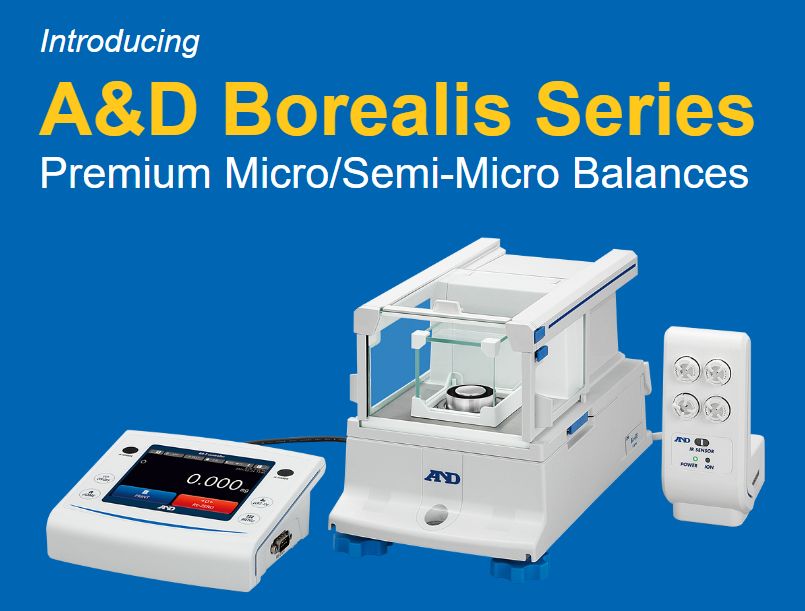
Finding the Right Balance for Your Needs: A Comprehensive Guide
Balancing precision and functionality is essential for industries and laboratories that require reliable and accurate measurements. Whether you’re dealing with pharmaceutical formulations, high-stakes research, or industrial processes, selecting the correct balance ensures your operations run smoothly.
Why Balances Are Crucial in Precision Applications
Balances serve as the backbone for applications requiring high accuracy. Laboratory and industrial setups depend on these tools to meet stringent quality and compliance standards. From differential weighing to dynamic weighing modes, selecting the right equipment involves understanding not only the types of balances available but also the factors that impact their performance.
The Three Most Common Types of Balances
1. Analytical Balances
- Best For: Differential weighing, pipette calibration, density measurement.
- Readability Range: 0.01 mg to 1 mg.
- Capacity: 1g to 500g.
- Highlight: Ideal for applications where precision is critical, often used with specialized software for data logging.
2. Precision Balances
- Best For: GMP compliance, sample management, and dynamic weighing.
- Readability Range: 1 mg to 1 g.
- Capacity: 1g to 70,000g.
- Highlight: Excellent for both small- and large-scale weighing applications.
3. Microbalances
- Best For: Pesticide analysis, stent weighing, and particulate matter studies.
- Readability Range: 1µg to 0.01 mg.
- Capacity: 0g to 50g.
- Highlight: Designed for ultra-precise measurements in controlled environments.
Key Factors to Consider
1. Capacity
- Ensure the balance meets your typical weight range, with a little extra capacity to spare. Avoid excessive capacity as it adds unnecessary cost.
- Pro Tip: If weighing only up to 100g, opt for a balance close to that range for better cost efficiency.
2. Readability
- Choose the smallest detectable weight change (resolution) your application requires. For high-precision needs, consider microbalances or mass comparators.
3. Calibration
- Manual Calibration: Requires certified weight standards.
- Automatic Calibration: Adjusts for environmental changes but comes at a higher cost.
- Recommendation: Consider dual-calibration models like the FZ-i or GX Precision Balances for versatility.
4. Certification
- Industries like pharmaceuticals, jewellery, and food processing require Legal for Trade balances to comply with regulations.
- The FZ-i and GX-A series provide certified options to meet these needs.
Special Considerations for Hazardous Environments
- Weighing flammable or volatile liquids demands intrinsically safe balances.
- Choose balances like the EK-AEP Series, which are ATEX certified internationally, to ensure safety and compliance.
Accessories and Enhancements
- Density Kits & Covers: Protect your balance and add functionality.
- Printers: The AD-1192 Compact Printer enables seamless result documentation.
- Software: A&D’s free WinCT software simplifies data transfer and analysis.
Explore A&D Weighing’s selection of balances and accessories here, and experience the confidence of precision engineering.